
The 7 hidden mistakes sabotaging your email performance


Email marketing remains one of the most powerful channels for driving revenue, retention, and customer engagement. Yet, even experienced teams often struggle to maintain consistent performance as their programs scale.
As email programs grow (with more automation flows, more segments, and more campaigns), complexity increases. Many marketers focus on surface-level optimizations like tweaking subject lines, adjusting copy, or swapping templates. While these can offer small wins, they rarely address the root causes of declining email performance.
The real culprits are structural: conflicting automation flows, outdated workflows, gaps in the customer lifecycle, and fragmented customer data. These hidden issues can quietly erode ROI, reduce engagement, and harm brand perception over time.
This article explores seven hidden mistakes that sabotage email performance and provides actionable strategies for marketers who want to move beyond tactical fixes and build scalable, high-performing programs.
1. Automation flows that compete instead of collaborating
As your email marketing platform grows, multiple automation flows emerge, including welcome sequences, abandoned cart reminders, promotional campaigns, and re-engagement journeys. Problems arise when these flows trigger simultaneously for the same subscriber, delivering messages that may conflict or create confusion.
-
The cost of conflicting messages
Imagine a customer who adds a product to their cart but doesn’t complete checkout. They receive an abandoned cart email encouraging purchase. At the same time, a re-engagement campaign is triggered for inactive subscribers, pushing a different offer. The result is confusion: which message should the customer act on? Overlapping communications can create subscriber fatigue, reduce trust, and ultimately drive unsubscriptions.
The impact extends to deliverability metrics as well. Confused or annoyed subscribers are more likely to ignore emails, mark them as spam, or reduce engagement, which can lower sender reputation and harm inbox placement rates.
-
How to orchestrate automation flows
To prevent conflicts, marketing teams must define clear rules for which automation flows take precedence. Maintaining a centralized view of all flows allows teams to spot overlaps and optimize sending schedules. Strategic orchestration ensures that every email reinforces the customer journey, rather than competing with other messages, and creates a seamless experience that builds trust over time.

2. Automation that runs for years without review
Many teams adopt a “set it and forget it” approach to automation. Initially, this may seem efficient, but business evolution, new products, shifting messaging, and changing audience behaviors can render old automations obsolete.
-
Spotting outdated automations
Outdated workflows may include onboarding sequences that no longer reflect current offerings, promotional content tied to past campaigns, or triggers that fail to match actual customer behavior. A sequence designed years ago may continue sending emails that no longer resonate, quietly eroding engagement and conversion rates.
Even metrics that appear stable can mask underlying inefficiencies. For example, a welcome series with outdated product suggestions may still achieve a 20% open rate, but click-throughs and conversions are likely lower than they could be if updated.
-
How to keep your automations fresh
Regular audits, workflow versioning, and KPI monitoring are essential. Audits reveal underperforming sequences, versioning ensures safe updates without breaking existing flows, and KPI monitoring tracks real performance across engagement, conversion, and retention. By proactively refreshing automation, marketers can maintain relevance, boost subscriber satisfaction, and maximize the long-term impact of email campaigns.

3. Lifecycle gaps that break the customer journey
Many email programs focus on individual campaigns rather than the full customer lifecycle. Missing links between stages, such as onboarding, post-purchase nurturing, and re-engagement, can create gaps that fragment the subscriber experience.
-
Consequences of lifecycle gaps
When gaps exist, customers may feel neglected or disconnected from your brand. Post-purchase nurturing sequences may be absent, leaving opportunities for cross-sells or upsells untapped. Subscribers who fall through the cracks may churn faster, and engagement metrics may decline despite consistent campaign efforts.
-
How to fill the gaps
Mapping the complete lifecycle from first touch to loyal customer is critical. Identify missing touchpoints and align automation to ensure timely and relevant communication. For example, a post-purchase sequence could include a thank-you email, product usage tips, and cross-sell recommendations. A subscriber who receives well-timed, useful messages is far more likely to convert again and remain engaged long-term.
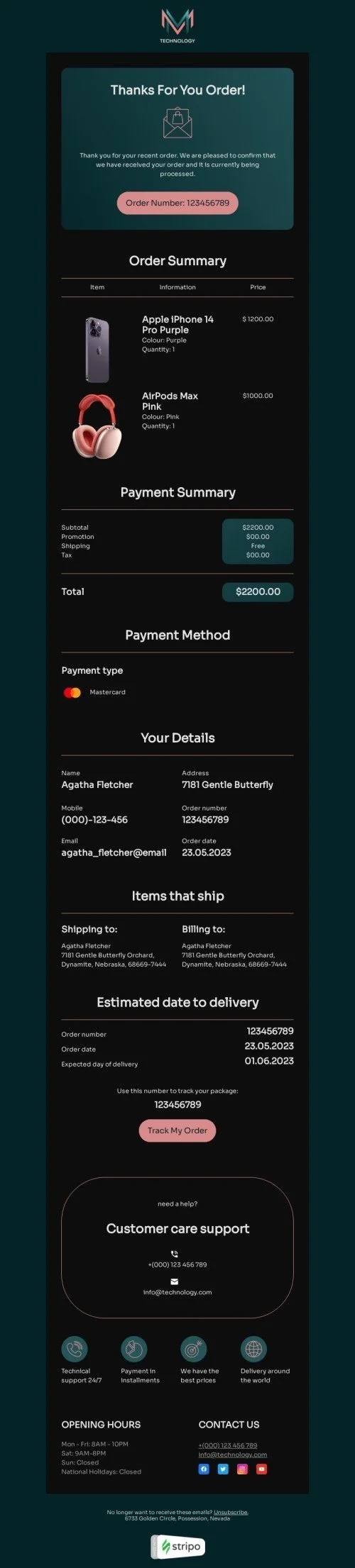
4. Fragmented customer data that prevents real personalization
Data fragmentation is one of the most overlooked obstacles in email marketing. With information spread across CRMs, eCommerce platforms, analytics tools, and support systems, true personalization becomes difficult.
-
The impact of fragmented data
Without a unified profile, personalization is often superficial. Emails may include generic recommendations or fail to reflect the customer’s stage in the lifecycle. Subscribers receive content that feels irrelevant, engagement drops, and opportunities for revenue are lost.
-
How to unify customer profiles
Centralizing customer data allows behavioral targeting, precise segmentation, and trigger-based automation. By combining online and offline behaviors, marketers can deliver genuinely personalized recommendations. A centralized system ensures that all interactions are informed by accurate, comprehensive information, enhancing engagement and conversions.

5. Segmentation that no longer reflects real behavior
Segmentation based on static lists like demographics or simple buyer/non-buyer categories can quickly become outdated. As subscriber behaviors evolve, these segments lose relevance, leading to reduced engagement and lower conversions.
-
How to adopt advanced segmentation strategies
Modern segmentation must account for behavioral patterns, purchase preferences, and lifecycle stages. Engagement-based segments allow targeting of highly active subscribers differently from dormant ones. Product-preference segments ensure that offers align with customer interests. Lifecycle-stage segments enable communication tailored to new subscribers, active buyers, or lapsed customers.
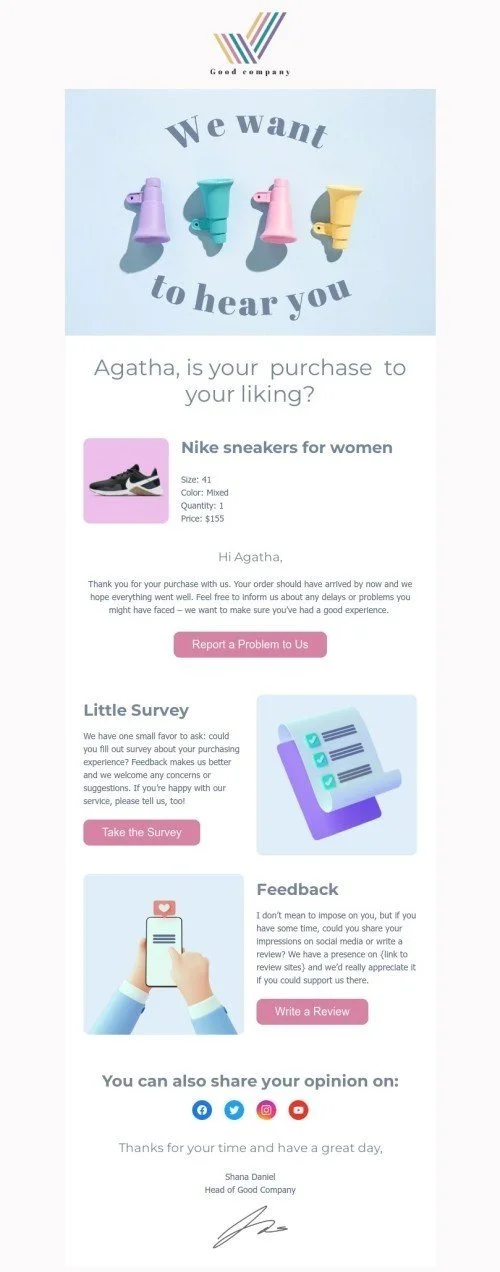
By updating segments regularly, marketers maintain relevance, increase engagement, and reduce the risk of subscriber fatigue or churn.
6. Campaign-centric thinking instead of journey-centric strategy
Treating emails as isolated campaigns rather than integrated touchpoints can result in fragmented messaging and missed opportunities for long-term engagement.
-
How to shift to a journey-centric approach
Emails should function as nodes in a broader ecosystem, supporting long-term engagement goals. Integrating email with SMS, push notifications, and in-app messaging ensures a cohesive experience. For example, an abandoned cart email followed by a personalized push notification reinforces the message without overwhelming the subscriber. Journey-centric thinking aligns every campaign with lifecycle objectives, driving stronger engagement and loyalty over time.

7. Ignoring early signals of email fatigue
Declining engagement is often blamed on content quality, but the underlying issue is often subscriber fatigue from frequent or repetitive messaging. Early indicators include falling open rates, reduced click-throughs, complaints, or rising unsubscribe rates.
-
How to prevent email fatigue
Marketers can proactively manage fatigue by adjusting sending frequency according to engagement levels. Engagement-based throttling ensures active subscribers remain engaged while less active ones receive fewer messages. Preference centers give subscribers control over the types and frequency of emails they receive, fostering trust and improving long-term retention.
Wrapping up
Short-term improvements from tweaking subject lines or templates can feel productive, but sustainable growth comes from structural improvements. By auditing and orchestrating automation flows, mapping full lifecycle journeys, unifying customer data, and implementing modern, behavior-driven segmentation, marketers can move from reactive campaign management to strategic, journey-oriented communication.
With these changes, email programs become more than a channel; they become a growth engine capable of delivering higher engagement, better deliverability, and stronger long-term revenue.


0 comments