
Welcome email statistics: Why first impressions drive engagement and loyalty


Someone has just subscribed to your newsletter, created an account on your website, followed your social media, or placed an order; this is the exact moment when customers’ or potential clients’ engagement is at its peak. They’ve taken action, chosen you, and expect your response.
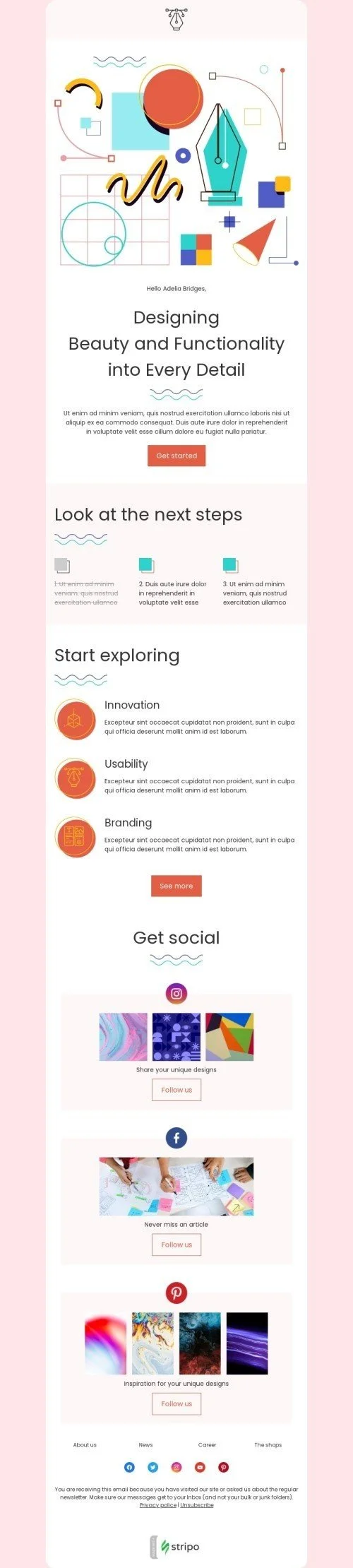
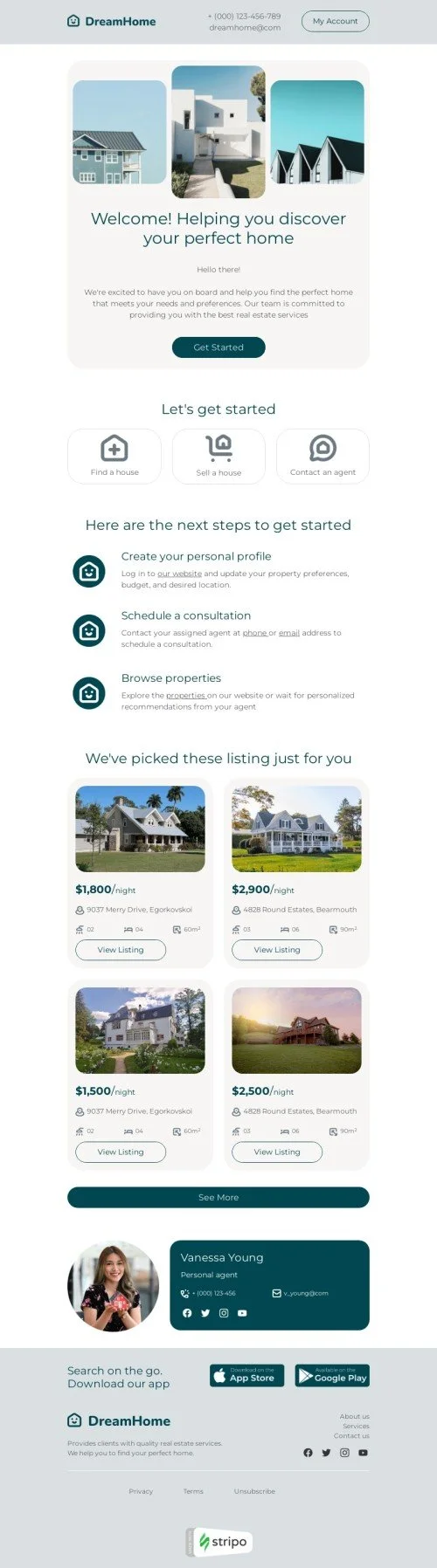
The best way to hook the audience is to use a well-crafted welcome email. These emails work best when they are simple, clear, and emotionally warm but avoid sounding pretentious. Email design should be minimalistic, modern, and presented in the brand’s style with a clear visual hierarchy and accented imagery.
Want to master the art of welcome email creation? In this article, we’ll explore key welcome email stats to help you understand why marketers value this tool and what approaches truly boost customer engagement and conversions. You’ll also see some great email examples.
Top 10 welcome email stats you should know
Imagine you arrive at a party. You shake hands and smile. It’s a first impression: you’re friendly and approachable.
A welcome message is the next friendly gesture. This can be a warm greeting or an invitation to join the conversation. You show interest in starting a dialogue: “How wonderful of you to come! Can I show you around? How about we keep chatting over a drink?”
A welcome email helps you maintain contact with those who have already expressed interest in your brand. You make each customer feel valued and gently persuade them to stay longer.
- Average open rate: It reaches 83.63% for welcome emails (a strong performance!) The typical open rate across different industries is 42.35%.
- Conversion rate: 3.02%. To improve the conversion rate, marketers apply best practices, like personalization and automation. They also use welcome email examples to create an outstanding design.
- Click-through rate (CTR): The same DollarPocket report states that the average CTR for greetings emails is 8.5-12%. It’s 3.7x that of a typical newsletter. Greetings emails reach subscribers early and when their interest is at its peak.
- The optimal timing: For the most effective engagement, send welcome emails within 1 hour of subscription.
- Return on investment: The average ROI of email marketing reached $43 per $1 spent this year. This number shows that email outreach remains one of the best tools for brands.
- Unsubscribe rate: This indicator is 0.9% for welcome email campaigns.
- Success in the B2B sector: In 2024, the average open rate for regular emails was around 18% (for B2B). In contrast, the welcome email series showed an open rate of 63%.
- Revenue per recipient (RPR) in eCommerce: Welcome email campaigns generate an average RPR of $2.65 across this industry.
- Engagement: New subscribers who receive a well-crafted kickoff email demonstrate 33% more engagement with a brand.
- Most brands neglect onboarding emails and fail: (1) 83% of businesses fail to make a good first impression. (2) 41% of companies don’t send a welcome email within 48 hours of subscription (Soocial). This means you can use onboarding emails and stand out among competitors.
Compared to other types of promotional emails, onboarding emails help to achieve the highest open rates and transaction rates (9x higher than other emails, according to Soocial).
The main task is to create a newsletter that converts welcome email open rates into real sales. That’s about personalization, automation, mobile optimization, and eye-catching brand email design.
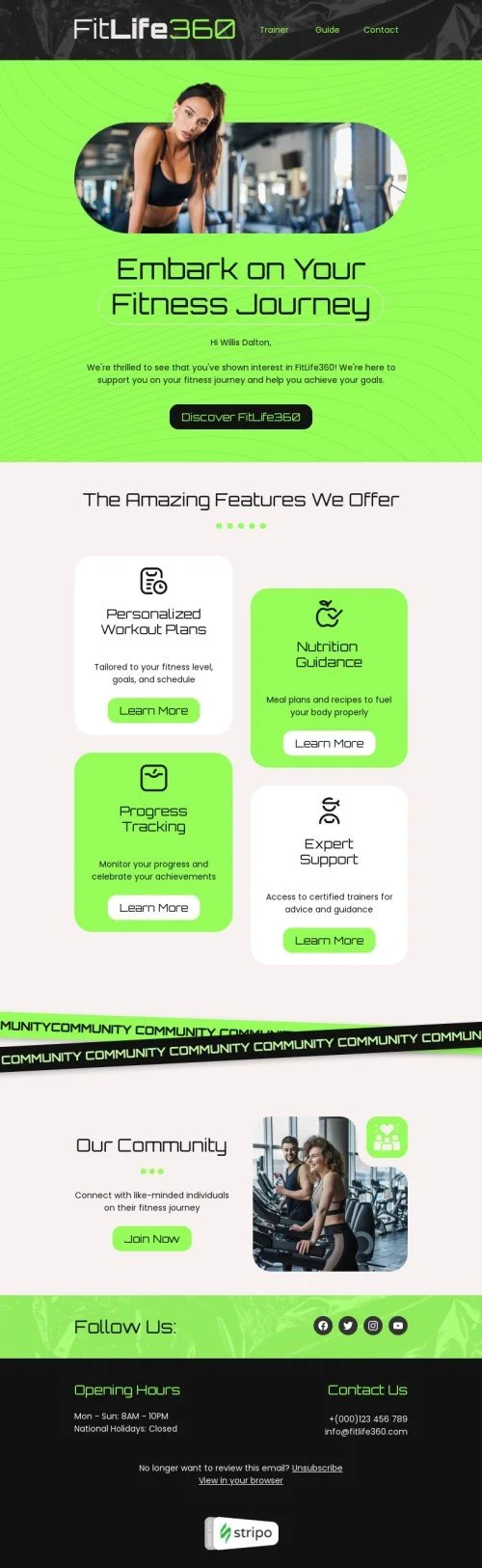
Main indicators that power personalized welcome emails
It’s no wonder that subscribers like personal attention. They appreciate that you call them by name, remember their birthday, and offer tailored recommendations based on their previous choices and their location.
Personalized emails matter because you get approximately 29% higher open rates and up to 41% higher CTR compared to non-personalized brand messages (Amra&Elma).
Personalization best practices for first emails:
- name + thank you for subscribing: “Hi Emma! Thank you for joining us”;
- interest-based recommendations: “Derek, based on your choices, we’ve picked these products for you”;
- special offer: “Just for you, Olivia! 15% off your first order”;
- location-based personalization: “Adam, a sale is starting in your area.”
Welcome emails and eCommerce
These emails are essential for eCommerce as they engage new subscribers and motivate them to make a first purchase. Some industries see especially high open rates of onboarding emails:
- sporting goods: 57.6%;
- automotive: 55.5%;
- food and beverage: 55.5%;
- home and garden: 55.3%;
- clothing and accessories: 55%.
High open rates in eCommerce demonstrate to us that welcome email marketing is a powerful tool for turning new subscribers into customers.
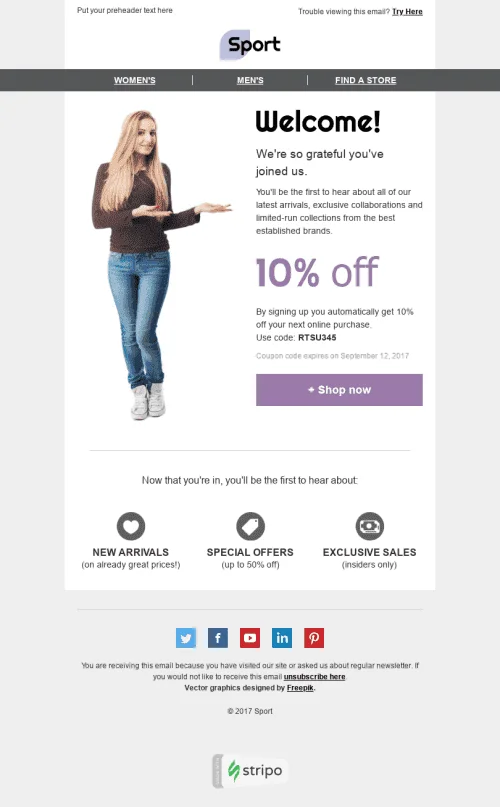
Automation and welcome email sequences
Do you know that automation of emails brings 320% more revenue than campaigns that are sent manually? Automation allows marketers to ensure instant delivery of messages, personalize content for each customer, track subscriber engagement, and trigger follow-ups easily and fast.
Email sequences
Automation enables you to send multi-email series (2-4 emails) at scale and with precision. Why is this important for a brand? Multi-email sequences show a higher conversion rate and generate 90% more orders than a single email. A series of emails gives recipients multiple touchpoints to explore products or offers.
Timing matters
With automation, you can be sure that the email arrives at the selected time (no matter when the customer signed up).
Send the first welcome email immediately after registration or purchase (or a trigger event). With it, you’ll grab the attention of new subscribers. Subsequent emails can be sent at intervals of 2-3 days. It’s important to maintain interest without overwhelming the inbox with a huge number of emails.
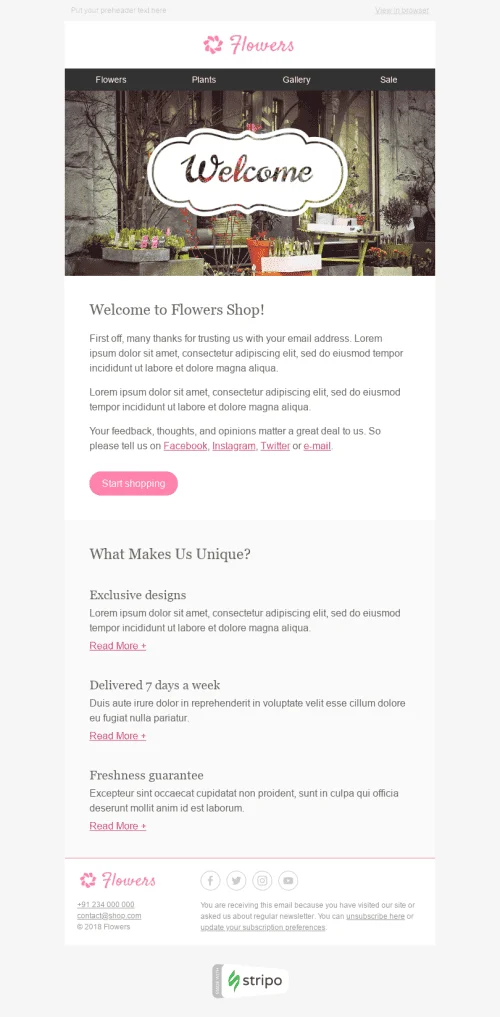
Mobile optimization in onboarding emails
50% of recipients will delete or skip your newsletter if it is not optimized for mobile viewing. Yes, mobile optimization is essential for email design to boost customer engagement and retention.
Mobile vs. desktop: How devices affect customer engagement
In 2025, 41.6% of all email opens occur on mobile devices. At the same time, desktops account for 16.2% of email opens. However, while emails from mobile devices are opened more often, desktop subscribers show a higher CTR (Mailotrix).
Key to success to engage a customer: Responsive design + mobile + desktop = maximum reach and effectiveness.
What makes a great welcome email
Let’s explore what advanced marketers know about greeting emails and why their campaigns perform so well. We’ve also included some professional email examples.
1. Personalization is necessary for better engagement
79% of marketers agree that personalization boosts subscribers’ engagement. Those brands that apply personalization notice higher open rates and CTRs.
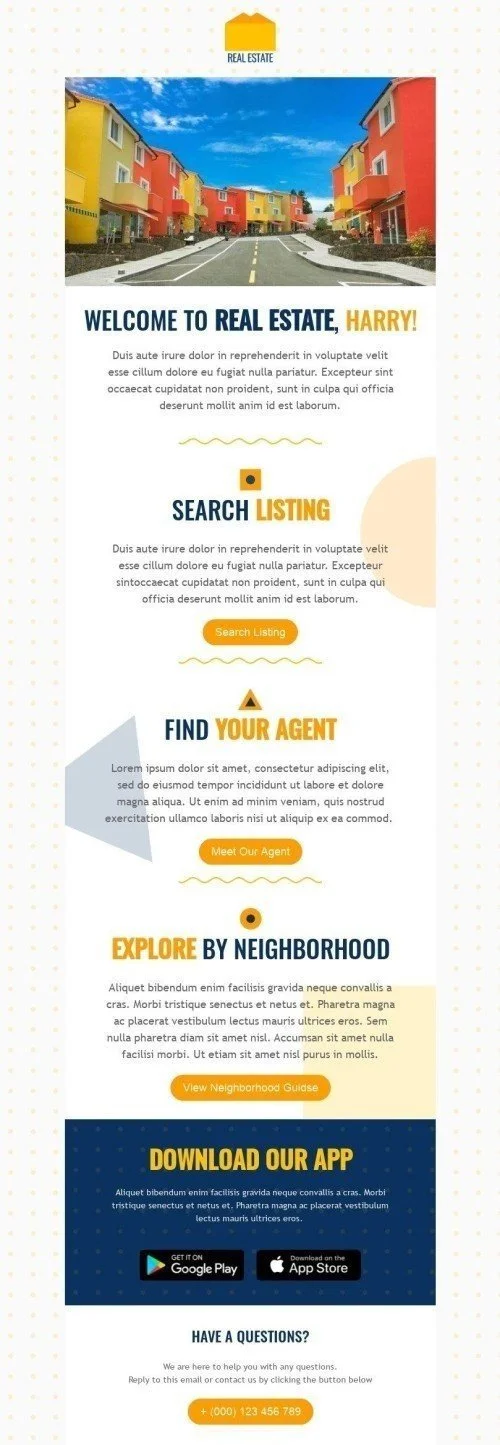
2. Clear value is key
Top greetings emails include a friendly explanation of what to expect, offer a simple and clear bonus, and have a clear call to action (or a few).
3. Subject lines matter
Approximately 47% of email recipients decide to open your message based on the subject line. Personalized subject lines can boost open rates by 50%. Use optimal word count for your subject line (6-10 words) to grab attention, and try to create eye-catching and memorable headlines (“Take a deep breath . . . your journey starts here”).

4. Design plays a big role
Good email design should be clean, minimalistic, and easy to read for subscribers. It should guide the eye naturally from the headline to the CTA.
Follow-up emails after onboarding messages
To strengthen the impact of your first email, send follow-ups: email #1 (day 1-2), email #2 (day 3-5), email #3 (day 7-10).
These emails help increase conversions if someone ignores the onboarding email or a customer delays taking action. Sending an intro email series (2 or more messages) can increase revenue by up to 51% compared to sending a single message.
Wrapping up
Looking ahead, the hottest trends will be automation, hyper-personalization (39% of marketers see this as the biggest future impact), advanced predictive analytics (31%), and design focused on accessibility and inclusion (31%).
The future trends are coming, but there’s no need to wait. You can craft irresistible welcome email designs right now!
Sign in and get access to our ready-to-use welcome email templates: send messages that don’t just reach inboxes but reach hearts.


0 comments